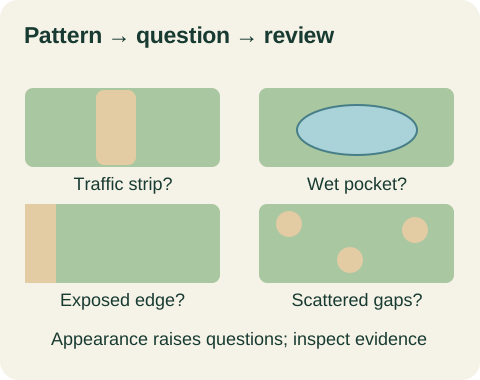
A wet patch is a symptom with several possible explanations. It may reflect recent rainfall, a surface depression, water entering from elsewhere, soil conditions or a feature with a different intended vegetation goal. Before adding seed or proposing a drain, document the pattern and obtain the appropriate assessment. A repair plan should address the identified cause and site constraints, not merely repeat an application over ground that continues to behave the same way.
Build a dated observation timeline
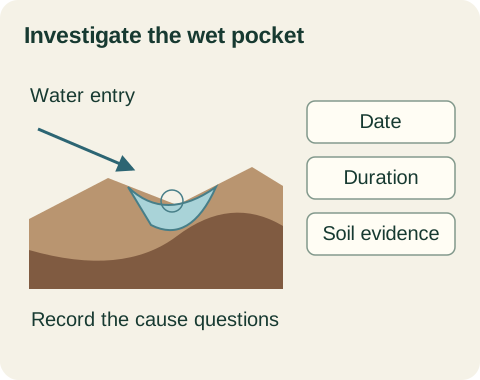
Record when wetness appears, what weather preceded it and how the visible condition changes. Use the same photo point and a reference scale where safe. Note whether water is flowing, standing or simply leaving soft ground. Distinguish a short observation after a storm from a recurring condition seen over several events. Neither alone supplies a complete diagnosis.
Ask occupants or site managers about snowmelt, irrigation, nearby drainage changes and construction history. Mark information supplied from memory as such. The aim is a timeline a professional can evaluate, with uncertainties visible. Avoid stating that an area never drains if the record consists of one visit or concluding that it is harmless because it was dry on the quoting day.
Trace entry and exit pathways
Sketch roof drainage, slopes, hard surfaces, swales and other features that may direct water toward the area. Include adjoining land where relevant. Ask whether the existing pathway matches the intended grade or drainage plan. A low pocket can be affected by a source outside the hydroseeding boundary, so area-only discussions may miss the main cause.
AAFC's drainage-diagnosis resources distinguish different field water and erosion problems before considering corrective works. That supports cause-based investigation. Their agricultural examples should not be copied into a residential drain layout. Excavation, redirection or discharge can affect neighbours and infrastructure; a qualified site-specific decision is needed before changing the pathway.
Consider soil and recent traffic
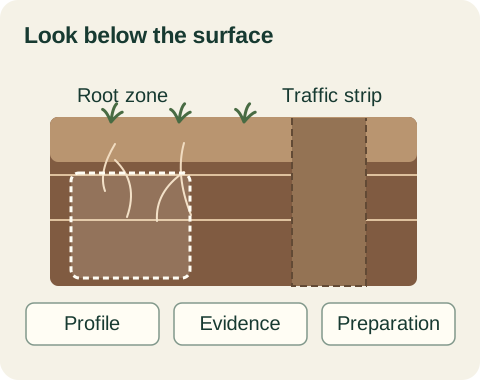
Record whether machinery crossed the area while wet and whether ruts, surface crusts or displaced material remain. Ask if the soil profile needs assessment. AAFC explains that wet-soil compaction, waterlogging and crusting can impair growing conditions. Those principles identify possibilities to investigate; they do not tell an owner which mechanical operation will resolve a particular patch.
Avoid working soft ground merely because a booked crew is present. Discuss conditions under which the preparation or application will pause and who decides. Further traffic can create a new problem while attempting to solve the original one. The record should identify both the existing condition and any changes caused by access during the proposed repair.
Check whether the vegetation objective fits
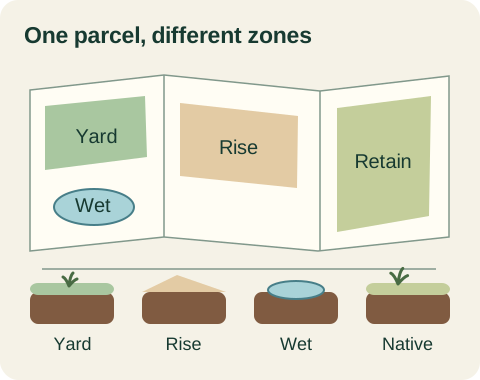
A wet area may need a different planting objective from surrounding lawn, subject to the site and any approvals. Ask whether the chosen vegetation is appropriate for the assessed conditions and intended use. Do not assume every low spot should be converted into uniformly dry turf. An ecological, stormwater or designed landscape feature may have a specific purpose.
Conversely, calling an unexplained puddle a rain garden does not make it a designed feature. If an alternative landscape is considered, define its function, soil and drainage requirements with the responsible adviser. Keep the design decision separate from a casual change of seed mix. The area still needs a plan for water, access, management and any applicable regulatory constraints.
Separate investigation from remedial work
Write the first scope as an assessment where the cause is unknown. Specify the observations, records or testing needed and the professional role involved. Then have the resulting remedy described as a separate decision. This avoids committing to imported soil, drainage excavation or reseeding before anyone has established what those actions are supposed to correct.
For a Calgary property, preserve approved lot drainage and seek the appropriate help when a proposed change is outside the owner's expertise. A contractor asked only to apply seed should not be assumed to have accepted responsibility for a drainage diagnosis. Name that responsibility explicitly, especially when the treatment area sits near a foundation, property boundary or established flow route.
Review irrigation as a possible contributor
If artificial watering is used, record zones, approximate operating times and observed coverage patterns without treating time as measured volume. Note spray reaching pavement, low spots that remain wet and obstructions that create uneven distribution. Have the system and establishment instructions reviewed as appropriate. The problem may involve distribution or scheduling as well as the soil.
Keep local permission separate from the diagnostic question. A watering method being permitted does not establish that its output is suitable for the site. A thin area should not automatically trigger more water across every zone. Document both dry and wet observations before the adviser adjusts the plan, so one symptom is not addressed by worsening another.
Set the condition required before reseeding
After the cause and remedy are reviewed, ask what evidence will show the area is ready for planting. This might include an agreed prepared surface, confirmed drainage information or observations after a relevant event, depending on the project. Use the actual professional recommendation rather than inventing a universal number of dry days or a surface firmness threshold.
Document the new boundary and the interface with retained vegetation. Confirm the seed specification, placement method, protection and care responsibility for the repair. If the conditions remain uncertain, record the limitation instead of promising a guaranteed outcome from the next application. A clear conditional scope can be more useful than a vague complete-lawn-restoration package.
Work through a hypothetical low-patch review
Consider a yard where the same corner thins after each rain. The owner records fixed-point photographs, rainfall timing and an apparent water entry from a hard surface. Rather than ordering another spray, the brief requests assessment of the pathway and soil. The adviser can distinguish what is known from what still needs investigation and define any remedy that is justified.
Only after the preparation condition and vegetation objective are resolved does the owner request a repair application. The resulting record connects the correction to its reason and preserves later observations. This does not guarantee success; it prevents the project from repeating the same unexplained action while leaving the main site question unanswered.
Sources + further reading
- City of Calgary: Lot grading and positive lot drainage
- Agriculture and Agri-Food Canada: Managing wet soils
- Agriculture and Agri-Food Canada: Field erosion and drainage diagnosis
Source review: 2026-10-04. Requirements and programs can change; confirm the current details with the authority or provider.