Agree on the version before work begins
A project can accumulate sketches, estimates, messages and changed boundaries. Start the handover record by identifying the instruction that is actually agreed: document name, revision, date and the people who confirmed it. Keep earlier versions for context, but make the current one easy to distinguish. A newer sketch does not become an approved change merely because somebody has received it.
For a contract-led project, identify the governing documents and the person authorized to clarify conflicts. Calgary's landscape specification index provides City editions for reference. The edition governing a particular project, together with amendments and approvals, must be confirmed rather than assumed from the newest online listing.
Separate readiness from the application record
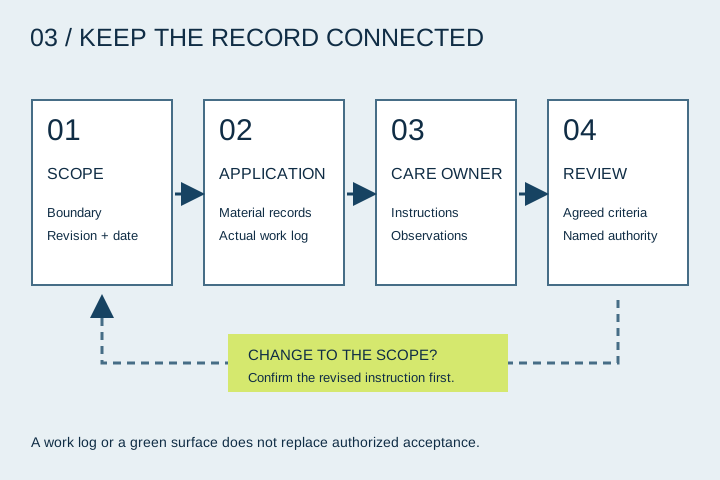
Before seed placement, record who confirmed the treatment boundary, ground readiness and access arrangement. Include unresolved conditions and the instruction for handling them. Keep drainage and preparation decisions attached to the scope rather than letting an application log imply that every preceding task was accepted.
Then collect the records for the actual work: date, treated zones, material identification and the details the project requires. Record deviations as deviations, with the associated instruction or review still visible. If the work differs from the agreed scope, do not quietly edit the original plan to make it appear that the difference was intended.
Name the establishment owner
The next phase needs a responsible person, useful instructions and a way to report concerns. State who will manage watering and observation, how they will access the area and who takes over if that person is absent. Give them the treated boundary and the actual material instructions, not just an application date.
Check Calgary's watering schedule and any current restriction stage when planning establishment. Record the sowing date and permission check. A provider's care instruction and a City's allowed watering method are separate inputs that must be made compatible for the site.
Keep observation different from acceptance
Use repeat photo points and dated notes to describe growth, bare areas, runoff, damage and other vegetation. Keep a simple map so each observation refers to a known zone. If there is a contractual acceptance requirement, state its criteria, evidence and named decision maker. A routine site visit, material receipt or green surface is not automatically that decision.
The observation planner can compare entered observations with entered criteria and organize visit effort. It cannot verify the sampling, identify plants, assess rooting or release a project obligation. Retain manual findings and the authorized review alongside its output.
When a concern appears, connect it to the zone and the dated evidence. Ask the responsible person to review the work and care records before deciding on a response. Record the proposed repair, any revised instructions and who agreed to them. Leave the original evidence intact so later reviewers can understand why the change was made.
Close the loop on a change
For each open item, record the question, its owner and the next agreed step. When resolved, add the response and date instead of deleting the question. If the treatment boundary, access or care arrangement changes, identify the revised instruction and who confirmed it. That small discipline makes the file useful to somebody who was not at the original meeting.
A practical handover can be concise: current scope, readiness notes, actual application records, care contact and review plan. Keep those parts connected with the same zone names. Share the relevant information through HAUSE intake when requesting the next assessment, so the new conversation builds on the project record rather than starting over.
Put the note to work
Record the relevant observations, documents and unanswered questions in your project brief.
Prepare your request ↗