A specification-led project needs a record of what governed the work, what was delivered and who reviewed the result. A hydroseeding application can be complete while establishment, maintenance or erosion-control obligations continue. Prepare the handoff around those distinct milestones. This guide outlines a project-record workflow; it does not quote a universal municipal acceptance threshold or imply that an ordinary private-yard project is automatically subject to every City construction specification.
Identify the documents that actually govern
List the contract, approved drawings, specification edition, addenda and relevant authorizations. Calgary's resource library currently lists Landscape Construction 2026, effective March 23, 2026, and labels earlier editions superseded. That index is a prompt to confirm the correct documents for the specific project. Existing contractual or approved requirements must be resolved through the authorized project process rather than silently replaced.
Keep a clear document register with version and approval information. A downloaded old PDF can remain in a folder for reference without governing the current work. Ask the contract administrator or responsible professional which edition and amendments apply. The portal does not import acceptance numbers from obsolete specifications or assume that a current index entry automatically changes a signed project's obligations.
Assemble traceable material records
Retain the approved seed mix, supplier and lot documents, product information and component rates. Connect those records to the treated zones. If a different lot or product was used, include the authorized change and revised quantity reconciliation. A general invoice for hydroseeding cannot by itself explain whether the specified material was delivered and applied as intended.
Keep quantity units consistent and distinguish bulk seed from any PLS requirement. The calculation record should show measured area, conversions, allowances and actual applied quantities. Purchasing surplus remains different from application. Ask the responsible reviewer what evidence is required by the contract, and provide a proportionate record that can be traced rather than a pile of unrelated product brochures.
Preserve the application record
Record the date, boundary, preparation status, component quantities and relevant conditions. Include departures from the planned sequence and the person who approved them. A zone map with photographs can help connect the record to the field. The aim is to show what happened, including limitations, rather than make the application look identical to the original plan when conditions required a change.
Separate the immediate delivery review from subsequent plant establishment. A completed application sheet verifies an operation and its documentation; it does not establish later vegetation cover, rooting or function. Ask what specific evidence supports each milestone and who signs or records the decision. This prevents one useful document from being assigned a broader meaning than it can support.
Align erosion-control duties with the approved plan
For projects subject to Calgary ESC requirements, retain the actual authorization and approved plan. The City's framework includes permissions and inspection processes, with different requirements depending on the site and concerns. A treated area alone does not identify the full construction boundary or settle the applicable category. Confirm the requirements with the responsible professional or authority.
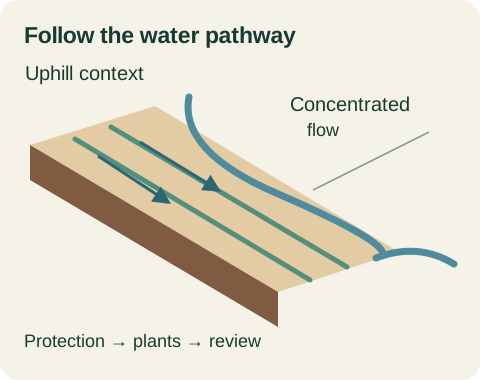
Keep protection active for the period required by the project. Calgary's ESC specifications discuss maintaining hydromulch and tackifier effectiveness until vegetation replaces their role. Use the approved plan to decide how that transition is assessed. Do not remove or stop maintaining a control solely because an application is complete or the surface has begun to look green.
Turn observations into closed actions
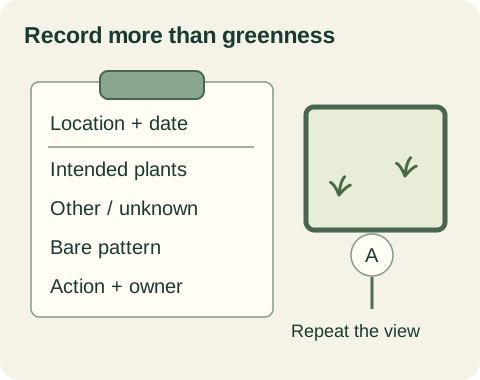
Organize inspections by date and mapped location, showing both satisfactory observations and concerns. Each concern needs an assigned action, responsible person and disposition. Preserve repairs and the follow-up evidence. A report that repeatedly notes the same damaged area without recording a response does not demonstrate that the maintenance responsibility has been fulfilled.
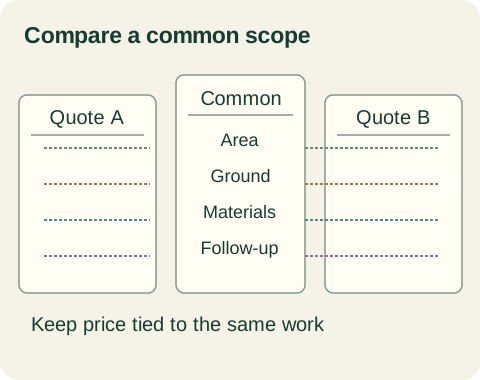
Formal inspection frequency and qualifications come from the applicable requirements. The City's ESC guidance identifies routine and critical-event review duties, but project interpretation belongs with the responsible parties. The portal's editable workload tool does not replace those duties. Include additional required visits and reporting effort in the actual scope instead of relying only on a convenient routine visit estimate.
Prepare a closeout register with limitations
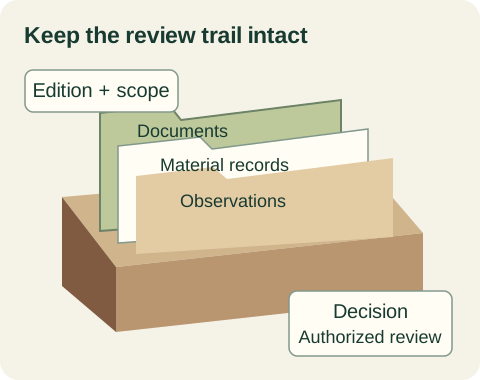
Use a short register: governing documents, approved materials, application evidence, inspections, unresolved items, decisions and remaining obligations. State which items are complete and which are pending. If an area is inaccessible or a record is missing, identify that limitation and the proposed resolution. A candid register is more useful than a cover page broadly declaring the site finished.
Ask the authorized person to define the acceptance or handoff decision precisely. Partial acceptance, establishment maintenance and release from inspection can be separate matters. Calgary's ESC framework includes an inspection-completion request process where applicable. Do not treat the owner's satisfaction with appearance as permission to end a formal requirement that needs its own authorization.
Practice with a hypothetical commercial handoff
Imagine a project where the specified application is complete but one exposed strip remains under review and a material substitution lacks its approval record. The contractor submits the application evidence, marks both unresolved items and assigns next steps. The administrator can assess the record without assuming every task is complete because the invoice has been issued.
Once the missing approval is resolved and the strip is reviewed under the governing criteria, the authorized decision is recorded with any continuing maintenance obligations. The project file now explains what was delivered and what remains. This workflow can support orderly closeout without inventing municipal approval, HAUSE inspection credentials or an establishment guarantee from paperwork alone.
Sources + further reading
- City of Calgary: ESC authorizations
- City of Calgary: 2022 ESC standard specifications
- City of Calgary: Planning and Development resource library
Source review: 2026-10-04. Requirements and programs can change; confirm the current details with the authority or provider.